The Critical Distinction: Technology vs. Service
IPTV — Internet Protocol Television — is simply a method of delivering television content over an internet connection rather than through a cable wire or satellite signal. The same technology underpins services from major telecoms companies, national broadcasters, and established streaming platforms worldwide. Sky Glass in the UK, Sling TV in the USA, and hundreds of legitimate television services in between all use IPTV technology to deliver content to subscribers.
The question "is IPTV legal?" therefore has the same answer as "is streaming legal?" — yes, as a technology, without qualification. The relevant legal question is not about how content is delivered, but about whether the specific service delivering it holds the necessary licences to distribute that content. A service that streams BBC programming, Premier League matches, or NFL games to subscribers must have obtained distribution rights from the content owners. Whether it has done so is what determines its legal status — not the use of an internet connection to deliver the stream.
This distinction matters enormously for viewers, because the popular framing of IPTV as inherently legally dubious conflates the delivery technology with particular services operating in a legally contested space. Our full guide to IPTV streaming explains how the technology works and why it has become the dominant delivery method for legitimate broadcasters globally — context that helps clarify why the legal question is always about the service, never the technology.
Is IPTV Legal in the USA?
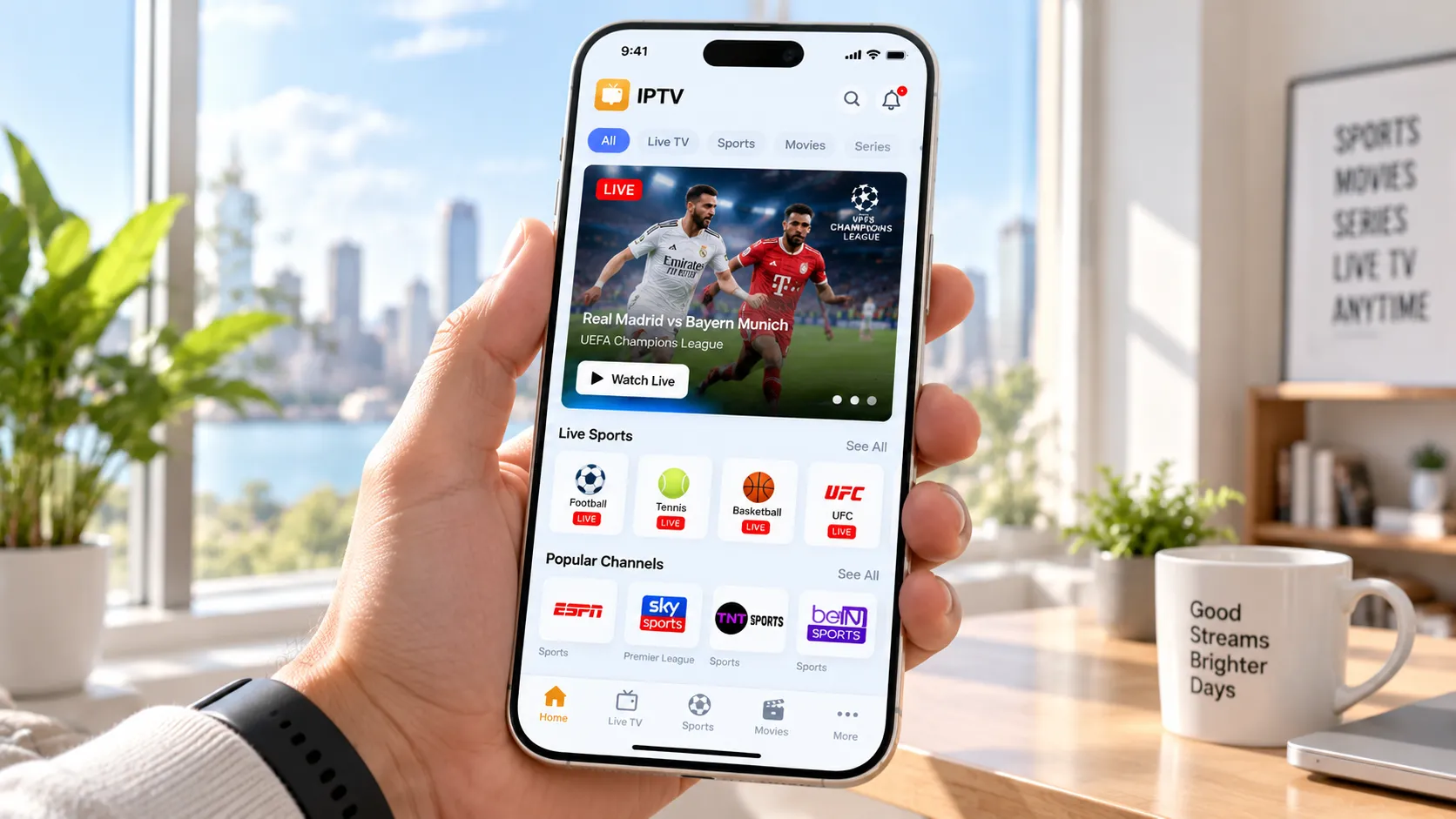
In the United States, IPTV technology is entirely legal and widely used. The major US telecom operators — AT&T, Verizon, Comcast — all deliver television content via IPTV infrastructure to millions of subscribers. Sling TV, YouTube TV, Hulu Live, FuboTV, and DirecTV Stream are all IPTV services operating under proper broadcast licences.
US copyright law — specifically the Digital Millennium Copyright Act (DMCA) and the Copyright Act — governs the distribution of content. A service that distributes copyrighted content without licence agreements violates these statutes. The DMCA also creates liability frameworks for services and platforms, which is why legitimate IPTV providers operating in the US market maintain content agreements with rights holders.
For US viewers, the practical implication is straightforward: the technology of receiving television over an internet connection carries no legal risk. The relevant question when choosing an IPTV service is whether that service can demonstrate it operates within appropriate content licensing frameworks for the channels and content it provides. Services that are transparent about their operating model and can engage with questions about licensing are the appropriate choice for US subscribers who want to use IPTV confidently.
Is IPTV Legal in the UK?
In the UK, IPTV technology is equally standard and legal. BT TV, Sky Glass, Virgin Media's television service, and many others deliver content via IPTV infrastructure. The BBC's iPlayer, ITV Hub, Channel 4's streaming service, and Channel 5's My5 are all IPTV applications — delivery of broadcast content over internet connections is the norm, not an exception.
UK copyright law, including the Copyright, Designs and Patents Act 1988 as amended, governs content distribution. UK courts have consistently held that streaming unlicensed content infringes copyright, regardless of the delivery mechanism. The Intellectual Property Office and rights holders' associations actively pursue services that distribute content without appropriate licences.
For UK viewers, the legal position mirrors the US: IPTV technology is unambiguously legal; the service's content licensing arrangements are what matters. A service that includes Sky Sports, TNT Sports, or Premier League coverage must have the relevant distribution rights for that content to operate legally in the UK market.
Practical Guidance for Viewers in 2026
The most practical approach to IPTV in 2026 is to choose services that operate transparently, can be asked direct questions about their operating model, and provide contact and support channels that demonstrate a genuine business operation rather than an anonymous service with no accountability.
Questions worth asking any IPTV provider
Before subscribing to any IPTV service, it is entirely reasonable to ask how the service is structured, what support is available, and how the service handles channel outages or content changes. A provider that is operating transparently and professionally will engage with these questions. A service that provides only an anonymous payment link and no meaningful communication channel is a service whose operating model warrants scrutiny.
IPTV technology in everyday life
It is worth recognising how embedded IPTV technology already is in legitimate everyday viewing. Smart TVs in the USA and UK connect to Netflix, Amazon Prime, Disney+, BBC iPlayer, and dozens of other services — all of which use IPTV delivery. The "apps" on a Smart TV or a Firestick are IPTV clients. When you stream a live sports event on Peacock or watch Channel 4 on All 4, you are using IPTV. The technology is the infrastructure of modern television, not a niche or legally ambiguous category.
When to consult a legal professional
This article provides general information about the legal landscape around IPTV technology and services. It does not constitute legal advice. If you have specific legal questions about your situation — including questions about the regulatory status of a particular service in your jurisdiction — consulting a qualified legal professional is the appropriate course of action.